Berber Flag Meaning: Explore Amazigh Culture and Traditions in Morocco
limitlessmoroccotours.com
22 September 2026
When travelers explore Morocco, they often discover that the country is shaped by many layers of history, traditions, and communities. Beyond the famous cities of Marrakech and Fes, the Sahara Desert landscapes, and the Atlas Mountains villages, there is a rich cultural heritage connected to the Amazigh people.
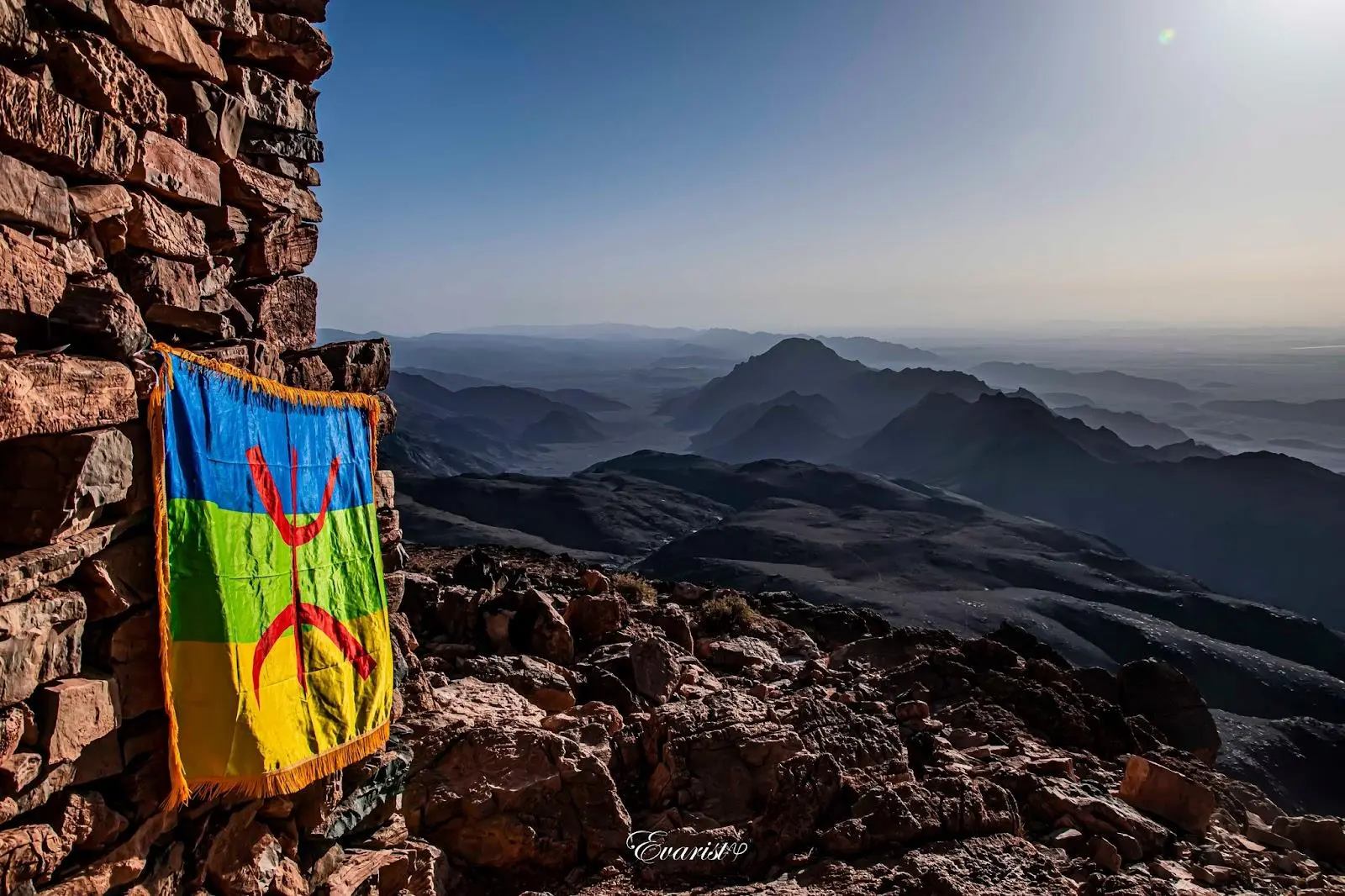
The Berber Flag, also known as the Amazigh flag, is one of the most recognizable symbols of this heritage. With its blue, green, yellow, and red colors, the flag represents Amazigh identity, history, language, and connection to the land.
For visitors planning a trip to Morocco, learning about the Berber flag meaning is a simple way to better understand the people, traditions, and places they will encounter during their journey.
The flag itself tells only part of the story. The real experience comes from meeting local communities, tasting traditional food, exploring mountain villages, and discovering the living traditions that continue across Morocco today.
What Is the Berber Flag?
The Berber Flag is a cultural symbol representing the Amazigh people of North Africa. It is also commonly called the Amazigh flag.
The flag has four main elements:
- Blue, green, and yellow horizontal stripes
- A red symbol in the center called ⵣ (Yaz) from the Tifinagh alphabet
The flag is not the official national flag of Morocco. Instead, it represents Amazigh culture and identity, similar to how cultural symbols are used by communities around the world to celebrate their heritage.
The Amazigh flag can be seen at cultural events, festivals, community gatherings, and among people who want to highlight their connection to Amazigh history.
Berber Flag Meaning: The Story Behind the Colors and Symbol
Understanding the Berber flag meaning requires looking at the relationship between Amazigh communities and the landscapes of North Africa.
The colors are commonly interpreted as representing different parts of Amazigh identity and the natural environment.
Blue: The Sea and Sky
Blue is often connected with the Mediterranean Sea, the Atlantic Ocean, and the sky.
Morocco has a long coastline, and many communities have historically lived between mountains, deserts, and coastal regions.
Green: Nature and the Land
Green represents nature, agriculture, and the fertile areas where many Amazigh communities have lived for generations.
From mountain valleys to farming villages, the connection between people and the land remains an important part of Amazigh traditions.
Yellow: The Sahara Desert
Yellow is often associated with the Sahara Desert and the vast landscapes of North Africa.
Southern Morocco, including areas around Merzouga and the desert regions near M’Hamid, has strong Amazigh cultural influences.
Red ⵣ Symbol: Amazigh Identity
The red symbol in the center is the Tifinagh letter ⵣ (Yaz).
It is commonly associated with the idea of a free person and represents Amazigh identity.
The symbol has become one of the most recognizable elements of Amazigh culture around the world.
Why Is the Amazigh Flag Important in Morocco?
The Amazigh flag represents more than colors and a symbol. It reflects a connection to language, traditions, history, and community.
Amazigh culture has existed in North Africa for thousands of years. In Morocco, Amazigh heritage can be found in:
- Traditional architecture
- Music and dance
- Handcrafted products
- Local food
- Languages
- Village traditions
Today, Amazigh culture is an important part of Morocco’s national identity.
In 2011, Morocco recognized Amazigh as an official language alongside Arabic, reflecting the importance of Amazigh heritage in modern Moroccan society.
Who Are the Amazigh People of Morocco?
The Amazigh people are the Indigenous inhabitants of North Africa. They have lived across the region for centuries, including areas that are now Morocco, Algeria, Tunisia, and Libya.
In Morocco, Amazigh communities live in many different regions:
- High Atlas Mountains
- Middle Atlas Mountains
- Rif Mountains
- Anti-Atlas region
- Southern desert areas
The term Berber is commonly used internationally, but many people prefer the name Amazigh, which means “free person” in the Amazigh language.
Amazigh communities are not all the same. Different regions have their own languages, traditions, clothing styles, architecture, and customs.
Berber vs Amazigh: What Is the Difference?
Many travelers ask: Are Berber and Amazigh the same?
The answer is generally yes.
“Berber” is the commonly used English and European term for these communities.
“Amazigh” is the name many people use for themselves and their culture.
For respectful travel conversations, using the word Amazigh is often preferred because it reflects the community’s own identity.
Amazigh Culture Morocco: Traditions, Food, Language and Daily Life
The best way to understand Amazigh culture Morocco is through real experiences.
Culture is not only found in museums. It can be discovered through daily life, local communities, and traditional activities.
Amazigh Languages
Amazigh communities speak different varieties of the Amazigh language, including:
- Tashelhit
- Central Atlas Tamazight
- Tarifit
Many Amazigh people also speak Moroccan Arabic and other languages.
Language remains an important part of cultural identity, passed from one generation to another.
Traditional Amazigh Food
Food is one of the easiest ways for travelers to connect with local culture.
Some traditional foods influenced by Amazigh communities include:
Couscous
A famous Moroccan dish often prepared for family gatherings and special occasions.
Tagine
A slow-cooked meal prepared with vegetables, meat, or other local ingredients.
Amlou
A traditional spread made with almonds, argan oil, and honey, especially popular in southern Morocco.
Sharing a meal with a local family can provide a deeper understanding of Moroccan hospitality.
Amazigh Crafts and Handmade Products
Amazigh craftsmanship is known for detailed handmade work.
Visitors may discover:
- Colorful carpets
- Silver jewelry
- Traditional clothing
- Handmade pottery
Many designs include symbols and patterns connected to local history and identity.
Best Places to Experience Berber Culture in Morocco
Travelers interested in berber culture Morocco can discover Amazigh traditions in many parts of the country.
High Atlas Mountains: Villages and Local Life
The High Atlas Mountains are one of the best places to experience Amazigh culture.
Areas such as:
- Imlil
- Ouirgane
- Aït Bouguemez Valley
offer opportunities to explore:
- Mountain villages
- Local markets
- Traditional homes
- Family-run guesthouses
- Hiking routes
Many travelers visit this region as part of Atlas Mountains tours from Marrakech.
A local guide can help visitors understand village history, traditions, and daily life.
Aït Ben Haddou and Southern Morocco
Aït Ben Haddou is one of Morocco’s most famous historic villages.
Located near Ouarzazate, this traditional fortified village shows the architectural style found in southern Morocco.
The region has strong Amazigh cultural connections and is often included on routes between Marrakech and the Sahara Desert.
Merzouga and Amazigh Desert Experiences
The Sahara Desert is another important place to discover Amazigh heritage.
Around Merzouga and Erg Chebbi, visitors can experience:
- Desert landscapes
- Traditional music
- Local food
- Camel journeys
- Cultural conversations with local guides
However, every desert experience is different. Travelers should choose tours that work with local communities and respect regional traditions.
How to Experience Amazigh Culture Respectfully
A meaningful cultural experience is based on respect and curiosity.
Here are some simple travel tips:
Spend Time With Local Communities
Avoid rushing from one attraction to another. A longer visit allows more authentic conversations.
Ask Before Taking Photos
Always ask permission before photographing people, especially in rural villages.
Support Local Makers
Buying handmade products directly from artisans can support traditional crafts.
Learn Basic Greetings
A few words in Arabic or Amazigh can create a warmer connection with local people.
Choose Responsible Tours
Look for guides and companies that work with local communities and provide respectful cultural experiences.
Frequently Asked Questions About the Berber Flag
The Berber Flag represents Amazigh identity, culture, history, and connection to North African heritage. The colors and central ⵣ symbol are widely recognized as symbols of Amazigh culture.
No. The Amazigh flag is a cultural symbol. Morocco's official national flag is red with a green five-pointed star.
Visitors may see the Amazigh flag at cultural festivals, community events, markets, and places connected with Amazigh heritage.
The ⵣ symbol is a letter from the Tifinagh writing system. On the Amazigh flag, it is commonly connected with freedom and Amazigh identity.
Some of the best places include the High Atlas Mountains, Aït Ben Haddou, southern Morocco, and Sahara regions near Merzouga.
Final Thoughts: Discover Morocco Through Amazigh Heritage
The Berber Flag is a symbol that introduces travelers to one of Morocco’s most important cultural stories.
However, Amazigh heritage is much more than a flag. It lives in mountain villages, traditional meals, handmade crafts, local languages, music, and everyday life.
For travelers, discovering Amazigh culture Morocco offers a deeper understanding of the country beyond famous landmarks. A journey through Morocco becomes more meaningful when visitors take time to meet local people, learn their traditions, and appreciate the diversity that makes Morocco unique.
- 4-day Casablanca to Marrakech desert tour
- 5-day Morocco tour from Casablanca
- 7-day Sahara desert tour from Casablanca
- 8-day imperial cities tour from Casablanca
- 10-day Morocco tour from Casablanca
- 10-day Imperial cities Tours from Casablanca
- 12-day grand Morocco adventure tour
- 14-day Morocco tour from Casablanca
- 3 Days Tour Marrakech To Merzouga Desert
- 3 Day Marrakech to Fes Desert Tour via Merzouga & Erg Chebbi
- 4 Day Sahara Desert Tour from Marrakech
- 4 Day Marrakech to Fes Desert Tour with Camel Trek & Sahara Experience
- 5-day Marrakech to Fes desert tour
- 6 day Morocco desert tour from Marrakech
- 7-day imperial cities tour Marrakech