Moroccan Wine: A Complete Guide to Wine in Morocco
limitlessmoroccotours.com
11 April 2026
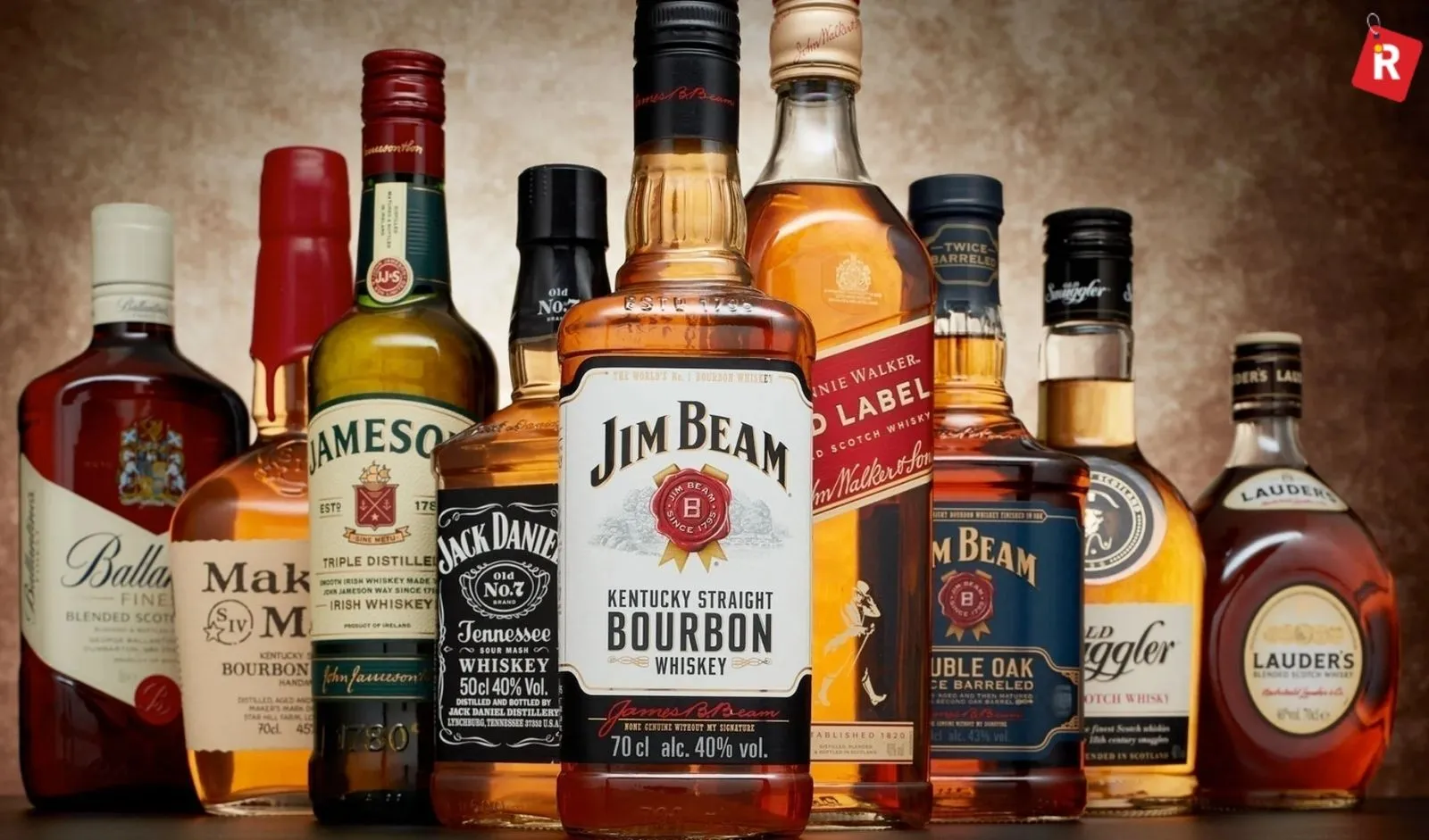
Most people visit Morocco for the colors, the food, the markets, and the landscapes. Wine is usually not the first thing on their mind. That is exactly why it feels so interesting once you discover it. Moroccan wine is one of those parts of the country that quietly surprises people.
The local wine scene has deep roots, a distinct personality, and a growing reputation among travelers who want to experience more than the usual highlights. From full-bodied reds to crisp rosés and the country’s well-known grey wine, Morocco offers a style for many different tastes. The source text highlights the country’s long wine tradition, major production areas, and signature styles.
A Wine Culture Many Travelers Do Not Expect
For many visitors, the idea of wine in Morocco feels unexpected at first. The country is more often associated with mint tea than vineyards. Still, Morocco has been producing wine for centuries, and the conditions for grape growing are stronger than many people realize.
The northern part of the country has fertile land and a climate that helps vineyards thrive. Over time, that natural advantage helped build a real winemaking tradition. Today, bottles from Morocco are enjoyed both locally and abroad, and the country remains one of the leading producers in the Arab world. The original text notes that Morocco is a major producer and sells millions of bottles inside the country and internationally.
What makes it especially appealing is the mix of influences behind it. There is local identity, Mediterranean character, and a strong French connection in the way many wines are produced and presented. That balance gives the country a style that feels familiar, but never generic.

A Short Look at the Past
The story behind this industry is one reason it stands out. Moroccan wine history stretches back to ancient times. Early vine cultivation in the region is often linked to Mediterranean settlers, while stronger historical records point to the Roman period as an important stage in the development of viticulture. Much later, large-scale production expanded under French rule.
After independence, the sector went through a weaker phase, and quality declined for a time. In the 1990s, better investment and more modern management helped raise standards again. Since then, producers have worked to improve both quality and reputation. The source text also notes that a Moroccan label became a strong seller in France, which shows how far the industry had progressed.
This background matters because it explains why the country’s bottles feel layered. They are shaped by history, outside influence, and a newer push toward quality.
The Regions Behind the Bottles
Several areas are central to the country’s wine identity. The best-known Moroccan wine regions mentioned in the source text are Meknes, Casablanca and Rabat, and Marrakech. Each plays a role in production and distribution.
Meknes is often seen as the best-known name in the national wine scene. It has strong vineyard associations and is frequently linked with wine-focused travel experiences. Casablanca and Rabat are also important because of their scale, access, and commercial importance. Marrakech, although better known for tourism, introduces many travelers to local labels through hotels and restaurants. The source text notes that wine can be found in major cities and towns, especially in hospitality settings.
Together, these regions help explain why the industry has remained visible and active over time.
What Styles Are Most Common?
If you are curious about what people actually drink, red is the dominant style. According to the source material, red wine makes up the largest share of production, while rosé and Vin Gris also hold an important place. White wine exists too, but in smaller quantities.
Red wines are often the easiest entry point. They suit the climate, pair well with rich food, and form the backbone of local production. Rosé is popular as well, especially for those who prefer something lighter. Then there is Vin Gris, the grey wine that many people associate strongly with the country. It gives the local wine scene something distinctive and memorable. The source text specifically describes Vin Gris as a Moroccan specialty.
White wines are less dominant, but they still have their place, especially in warm weather or with seafood and lighter meals. That variety is part of the appeal. You are not limited to one profile or one drinking style.
Grape Varieties That Shape the Industry
A big part of understanding local bottles is knowing the grapes behind them. The source text names Cinsaut and Carignan among the key red varieties with a long history in the country. It also mentions Cabernet Sauvignon, Merlot, and Syrah as grapes that are drawing increasing interest. On the white side, Clairette Blanche and Muscat are traditional names, while some vineyards also experiment with Chardonnay, Chenin Blanc, and Sauvignon Blanc.
These Moroccan grape varieties show that the country blends tradition with flexibility. Some vineyards keep older regional habits alive, while others adapt to broader international tastes. That combination often leads to wines that feel approachable without losing character.
The original text also mentions the phrase vendage à la main, or harvested by hand, which appears on many bottles. It is a small detail, but it reflects the labor and care involved in production.
Is It Easy to Find?
In many larger cities, yes. Visitors can usually find local labels in restaurants, bars, hotels, and selected shops. At the same time, wine is sold within a cultural setting shaped by religion and local customs. The source text notes that alcohol production is legal, but there are restrictions around sales, and availability can become more limited during Ramadan and certain holidays.
That makes awareness important. Enjoying wine here is not just about taste. It is also about understanding the country you are in and respecting its social context.
Final Thoughts
The reason Moroccan wine leaves such a strong impression is simple: it feels unexpected, but it is not accidental. Behind every bottle is a long history, a set of important growing regions, a mix of classic and international grapes, and a style shaped by both tradition and change. The source text supports all of these points, from the Roman-era roots of viticulture to the leading regions and the country’s signature wine styles.
For travelers, food lovers, and curious wine drinkers, this is one part of Morocco that deserves far more attention.
One of the best things about discovering Moroccan wine is how naturally it fits into the wider travel experience. A bottle often feels more memorable when it is enjoyed with local food, whether that means grilled meats, fresh seafood, or a slow dinner in a riad after a long day of exploring. That is what makes wine in Morocco feel different from other destinations. It is not only about vineyards or labels, but about atmosphere, place, and the small details that stay with you long after the trip ends. In many ways, the character of these wines reflects the country itself: warm, layered, and full of surprise.
When people start learning about wine in Morocco, they quickly see that the appeal goes far beyond the bottle itself. The country’s rich Moroccan wine history, diverse Moroccan wine regions, and wide range of Moroccan grape varieties all help create a wine culture that feels both authentic and distinctive. From the vineyards around Meknes to the styles shaped by local climate and tradition, Morocco offers an experience that is interesting not only for wine lovers, but also for travelers who want to understand the country in a deeper and more memorable way.
- 4-day Casablanca to Marrakech desert tour
- 5-day Morocco tour from Casablanca
- 7-day Sahara desert tour from Casablanca
- 8-day imperial cities tour from Casablanca
- 10-day Morocco tour from Casablanca
- 10-day Imperial cities Tours from Casablanca
- 12-day grand Morocco adventure tour
- 14-day Morocco tour from Casablanca
- 3 Days Tour Marrakech To Merzouga Desert
- 3 Day Marrakech to Fes Desert Tour via Merzouga & Erg Chebbi
- 4 Day Sahara Desert Tour from Marrakech
- 4 Day Marrakech to Fes Desert Tour with Camel Trek & Sahara Experience
- 5-day Marrakech to Fes desert tour
- 6 day Morocco desert tour from Marrakech
- 7-day imperial cities tour Marrakech