
- Home
- TOURS
- TOURS FROM MARRAKECH
- 3 days Marrakech desert tour to Merzouga
- 3 day Marrakech to Fes desert tour
- 4 Day Sahara Desert Tour from Marrakech to Merzouga
- 4 Day Marrakech to Fes Desert Tour – Explore Morocco in the Sahara
- 5-day Marrakech to Fes desert tour
- 6 day Morocco desert tour from marrakech
- 7-day imperial cities tour Marrakech
- TOURS FROM CASABLANCA
- 4-day Casablanca to Marrakech desert tour
- 5-day Morocco tour from Casablanca
- 7-day Sahara desert tour from Casablanca
- 8-day imperial cities tour from Casablanca
- 10-day Morocco tour from Casablanca
- 10-day imperial cities tour from Casablanca
- 12-day grand Morocco adventure tour
- 14-day Morocco tour from Casablanca
- TOURS FROM TANGIER
- TOURS FROM FES
- TOURS FROM MARRAKECH
- About
- Gallery
- Contact
- Blog
limitlessmoroccotours.com
5 May 2026
travel to Spain Portugal and Moroccoo: How to Actually Plan a Trip Across All Three
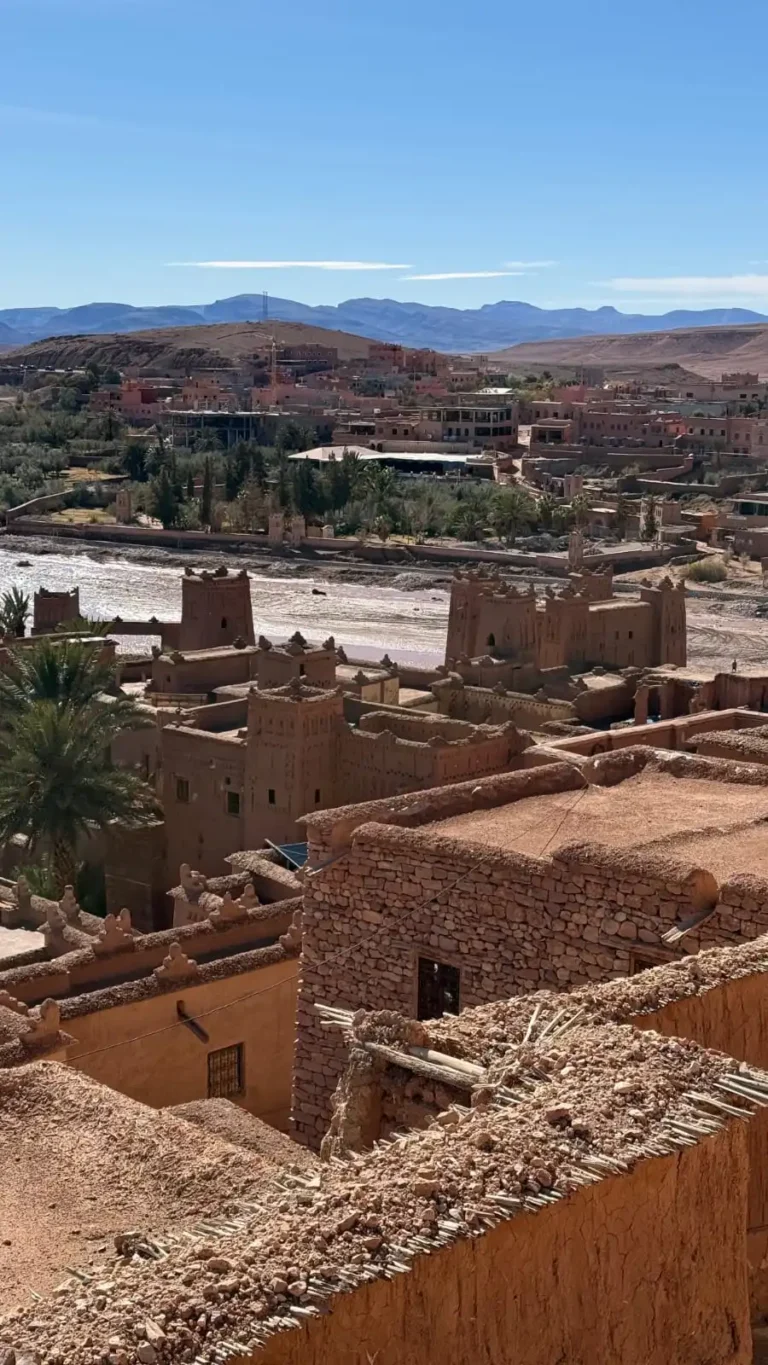
I get why people search for travel to Spain, Morocco, and Portugal and then stall out at the planning stage. On paper it looks like three separate trips glued together. In practice, once you look at a map, it’s closer to one long weekend loop with better food. Portugal and Spain share a border you can cross by train in a few hours, and Morocco sits just across the Strait of Gibraltar, close enough that on a clear day you can see the Rif Mountains from a beach in Tarifa. The three countries aren’t really “combined” so much as already next to each other.
This guide covers how much time you need, which order makes sense, how to physically get between the three, and the Morocco travel visa requirements that trip people up most, since Morocco isn’t in the EU and the rules are different from hopping between Lisbon and Madrid.
Why This Combination Works
Spain and Portugal give you Roman ruins, Moorish palaces, tapas, pastel de nata, and cities that are easy to walk. Morocco gives you something genuinely different within a few hours: souks instead of shopping streets, mint tea instead of espresso, the call to prayer instead of church bells. You get two very different trips without two separate flights across an ocean.
There’s also a historical thread running through all three. Andalusia was under Moorish rule for over 700 years, and you can still see it in the horseshoe arches of the Mezquita in Córdoba or the tilework in the Alhambra. Cross into Morocco and you’re looking at where a lot of that architecture actually came from. It makes the whole trip feel connected instead of like three unrelated stamps in a passport.
How Much Time You Actually Need
Ten days is doable if you keep it to one city per country: Lisbon, Seville, and Tangier or Chefchaouen, for example. It’s a fast trip, and you’ll spend a chunk of it on trains, buses, or the ferry.
Two weeks is more comfortable. Three weeks lets you slow down, which matters more in Morocco than in Spain or Portugal. Marrakech and Fes reward a slower pace. The medinas are confusing on purpose (old cities were often built to disorient invaders), and rushing through one just means you spend the whole day lost and irritated instead of lost and having a good time.
A rough split that works for most people doing a three to four week trip:
- Portugal: 4-5 days (Lisbon, Sintra, maybe Porto)
- Spain: 7-9 days (Seville, Granada, Madrid or Barcelona)
- Morocco: 6-8 days (Tangier or Chefchaouen, Fes, Marrakech)
Picking a Route: Which Country First
There are two logical directions, and neither is objectively better. It mostly comes down to flight prices into your first city and out of your last.
Portugal to Spain to Morocco. Fly into Lisbon, work east through Spain, and end by crossing into Morocco from the south. This is the more common way people plan travel to Spain, Portugal, and Morocco, since Lisbon and Madrid both have plenty of direct flights from North America, and you finish the trip in Morocco, which tends to feel like the bigger adventure to end on.
Morocco to Spain to Portugal. Fly into Casablanca or Marrakech, cross north into Spain, then finish in Lisbon or Porto. This works well if you can find a cheaper flight home from Lisbon than from Marrakech, which happens more often than you’d expect.
Either way, the trick is ending your Morocco leg near a Spanish port you can cross into without flying. That’s what makes travel to Spain, Morocco, and Portugal genuinely different from just three separate country trips: you’re not doing a flight for every border.
Getting Between the Three Countries
Spain and Portugal by train: Renfe and Portugal’s CP both run direct trains between major cities, and the Lisbon to Madrid overnight sleeper is a fun way to save a hotel night, though it’s slower than flying. Alsa buses cover routes the trains don’t, and they’re reliable and cheap.
Flights within the region: Vueling, TAP, and Ryanair connect most of the cities you’d actually want, often for less than a decent dinner. Worth checking baggage fees before you book, since budget carriers make their money there.
The ferry crossing into Morocco: This is the part people don’t realize exists until they’re already planning the trip. From Tarifa or Algeciras in southern Spain, ferries to Tangier take about an hour, run several times a day, and cost roughly €35-50 one way for a foot passenger (more with a car, and prices climb closer to departure, so book a few days ahead if you can). Algeciras also connects to Tangier Med, a port about 45 minutes outside the city by taxi or bus, so double check which Tangier port your ticket lands you at. Bring your passport to the port; you’ll get it stamped before boarding.
Morocco Travel Visa Requirements
This is the section most people are really looking for, so here’s the practical version.
If you’re a citizen of the US, UK, Canada, Australia, or an EU/Schengen country, you don’t need to apply for a visa in advance. You get 90 days in Morocco as a tourist, stamped directly at the border or airport, no paperwork required beforehand. This applies to around 60 other nationalities too. Your passport does need to be valid for at least six months past your travel dates, and it’s worth having proof of onward or return travel, though in practice it’s rarely checked at the airport.
If your nationality isn’t on that visa-free list, you’ll need to apply for a visa at a Moroccan consulate before you travel. Morocco doesn’t currently offer a visa on arrival for those nationalities, so this has to be sorted out ahead of time, not at the border.
A few other things worth knowing:
- There’s no mandatory vaccination for entry from Europe, North America, or Australia.
- Morocco doesn’t require travel insurance to enter, but I’d still get it. Private clinics expect payment upfront, and a medical evacuation without coverage gets expensive fast.
- If you want to stay past 90 days, you can apply for an extension at a local police station in Morocco, though it’s a slower process than most people expect.
Rules like this do shift occasionally, so if your trip is more than a few months out, it’s worth a quick check with a Moroccan consulate or embassy site before you book anything nonrefundable.
Money, SIM Cards, and What Actually Changes at the Border
Spain and Portugal both use the euro, so that part’s simple. Morocco uses the dirham, and it’s a closed currency: you can’t buy dirhams before you arrive, and you’re not supposed to take them out of the country when you leave. Exchange at the airport or in the city once you land, and try to spend down your cash before departure, since exchanging back can mean a bad rate or an outright refusal at some counters.
Get a local SIM in Morocco. Maroc Telecom and Orange both sell tourist SIMs at the airport, they’re inexpensive, and data helps a lot when you’re navigating a medina where street names are more of a suggestion than a system.
Dress code shifts too. Lisbon and Seville are casual, no different from most of southern Europe. In Morocco, especially outside the resort areas, covering shoulders and knees is appreciated and makes day to day interactions noticeably smoother, for men and women both. Nobody’s going to stop you at customs over it, but you’ll feel more comfortable, and honestly, so will the people around you.
A Sample 18-Day Route
If you want a starting point rather than building one from scratch:
- Lisbon (3 days), with a day trip to Sintra
- Train to Seville (2 days)
- Train to Granada (2 days) for the Alhambra
- Bus to Tarifa (1 day), then ferry to Tangier
- Chefchaouen (2 days), the blue-washed hill town
- Fes (2 days) for the tanneries and the medina
- Marrakech (3 days)
- Fly home from Marrakech, or backtrack to Casablanca for more flight options
That’s a real route people run every year, and it hits the highlights without spending half the trip in transit.
Yes, and it's become one of the more common multi-country routes out of southern Europe. The three countries sit close enough together that you can move between them by train, budget flight, or ferry without a long-haul leg in the middle of your trip. Ten days covers the basics. Three weeks lets you actually slow down once you get to Morocco.
That depends on your passport, not on the other countries on your itinerary. Morocco sets its own entry rules separately from Spain and Portugal, since it isn't part of the Schengen Area. If you're looking into Morocco travel visa requirements and you hold a US, UK, Canadian, Australian, or EU/Schengen passport, you get 90 days visa-free, stamped at the border with no paperwork filed in advance.
Neither direction is objectively better. Most people planning travel to Spain, Portugal, and Morocco start in Lisbon and work toward Morocco, since ending on the biggest cultural shift tends to feel like the right way to close out a trip. Others go the opposite way, flying into Morocco first and doing travel Portugal Spain Morocco in reverse if the flight home from Lisbon or Porto works out cheaper. Let flight prices into your first city and out of your last make the call.
By ferry. From Tarifa or Algeciras, the crossing to Tangier takes about an hour and runs several times a day. It's the one border on this entire route you can't cross by train, so plan around it on purpose instead of assuming you can book a cheap last-minute flight between the two.
Only if you try to see everything. Hitting every major city in Spain, Portugal, and Morocco in ten days means a lot of time in transit and not much time actually resting. Picking two cities per country and slowing down, especially once you're in Morocco, makes for a better trip than cramming in more stops.
Yes. Trains and budget flights within Spain and Portugal are cheap if booked a few weeks out, the ferry to Morocco costs less than a nice dinner, and day-to-day prices in Morocco run well below either Iberian country. The international flight in and out is usually the biggest cost, not the travel between the three countries.
- 4-day Casablanca to Marrakech desert tour
- 5-day Morocco tour from Casablanca
- 7-day Sahara desert tour from Casablanca
- 8-day imperial cities tour from Casablanca
- 10-day Morocco tour from Casablanca
- 10-day Imperial cities Tours from Casablanca
- 12-day grand Morocco adventure tour
- 14-day Morocco tour from Casablanca
- 3 Days Tour Marrakech To Merzouga Desert
- 3 Day Marrakech to Fes Desert Tour via Merzouga & Erg Chebbi
- 4 Day Sahara Desert Tour from Marrakech
- 4 Day Marrakech to Fes Desert Tour with Camel Trek & Sahara Experience
- 5-day Marrakech to Fes desert tour
- 6 day Morocco desert tour from Marrakech
- 7-day imperial cities tour Marrakech